
The model race is no longer only about chat quality. Buyers now compare cost, context, agent safety, coding depth, multimodal output and enterprise controls before choosing a stack.
What you need to know
- Test on your own work, not vendor demos
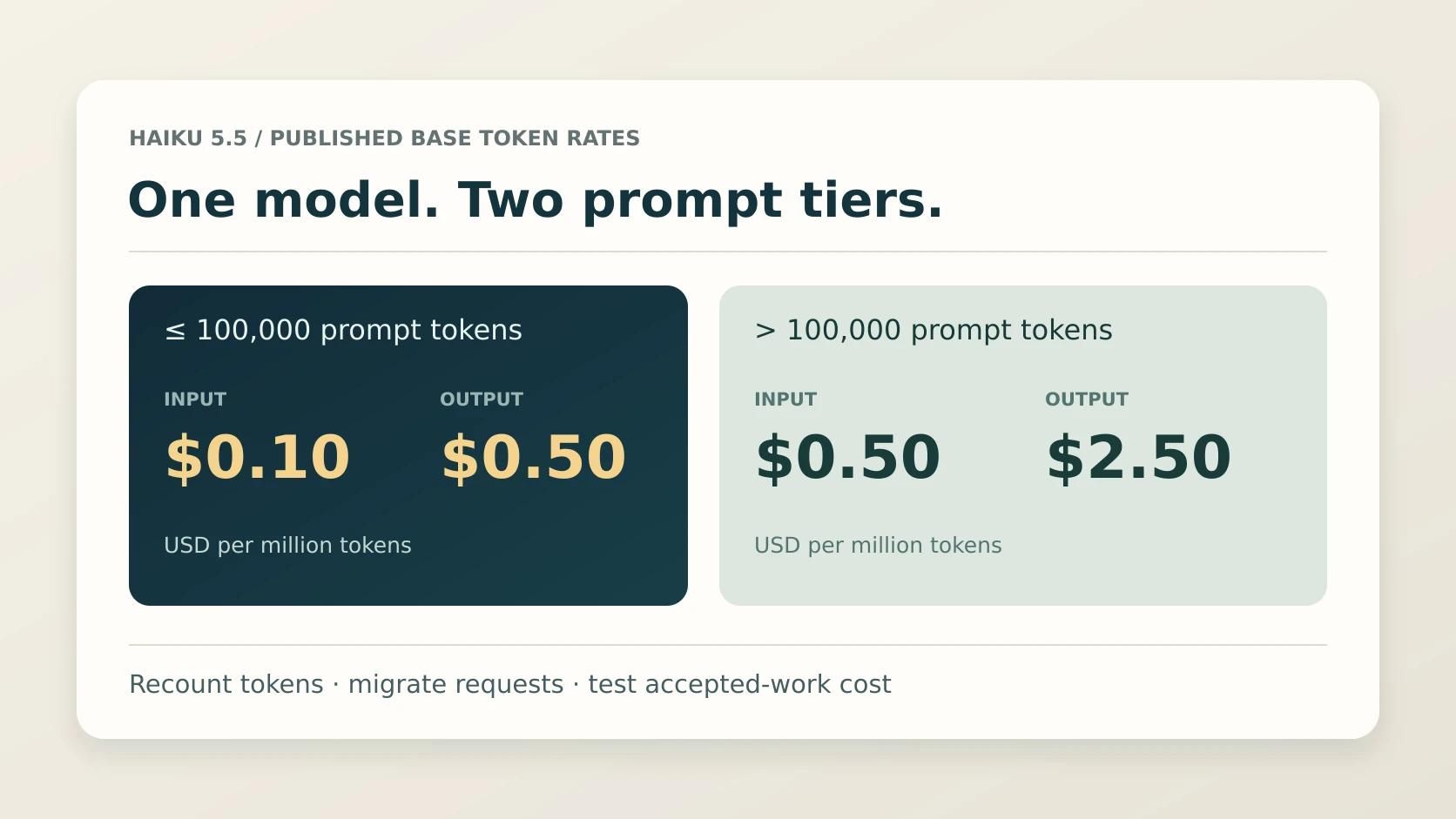
- Measure cost per accepted output
- Treat data controls as a buying requirement
The market has split into operating systems
ChatGPT, Claude, Gemini, Grok and DeepSeek are becoming work surfaces with files, tools, memory and agent behaviour. A team choosing between them is choosing how research, drafting, coding and approval move through the business—not simply which chatbot writes the cleanest paragraph.
Where the leaders differ
OpenAI remains the broad generalist; Anthropic is particularly persuasive for long documents and careful writing; Google is strongest when Workspace is already the centre of work; xAI is differentiated by real-time public conversation; DeepSeek is a cost challenger that warrants additional governance review. Availability and packaging change, so HubAI scores the buying job rather than declaring a permanent universal winner.
A practical evaluation
Build a 20-task test set from real company work. Include easy tasks, ambiguous requests, sensitive data boundaries and one deliberate failure case. Record completion rate, human correction time, citations, refusals and total usage cost. Run the same set again after a major model update.
HUBAI VIEWTrack upcoming releases before procurement cycles lock in.
Buyer decision signal: High buyer interest
What to verify next
1Workspace and file permissions
2Data retention and training policy
3Admin logs and user controls
4Model availability by plan
5Export and vendor-switching path
Read the evidence
Capabilities, availability and prices can change. HubAI keeps analysis separate from the underlying official material.
01UK ICO guidance on AI and data protectionOpen source ↗02UK Government AI regulation approachOpen source ↗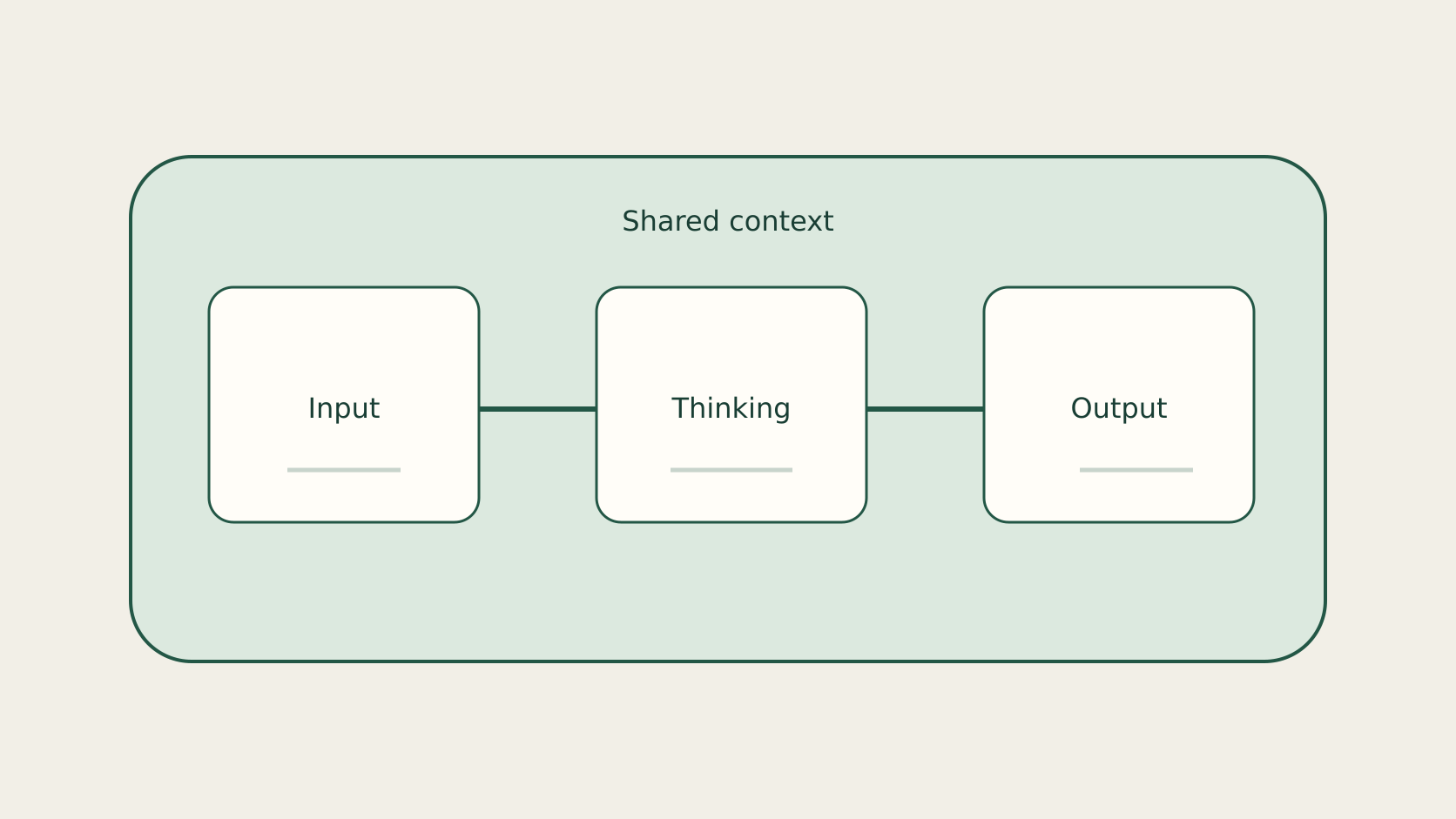 Models
 Models
 Models
 Models