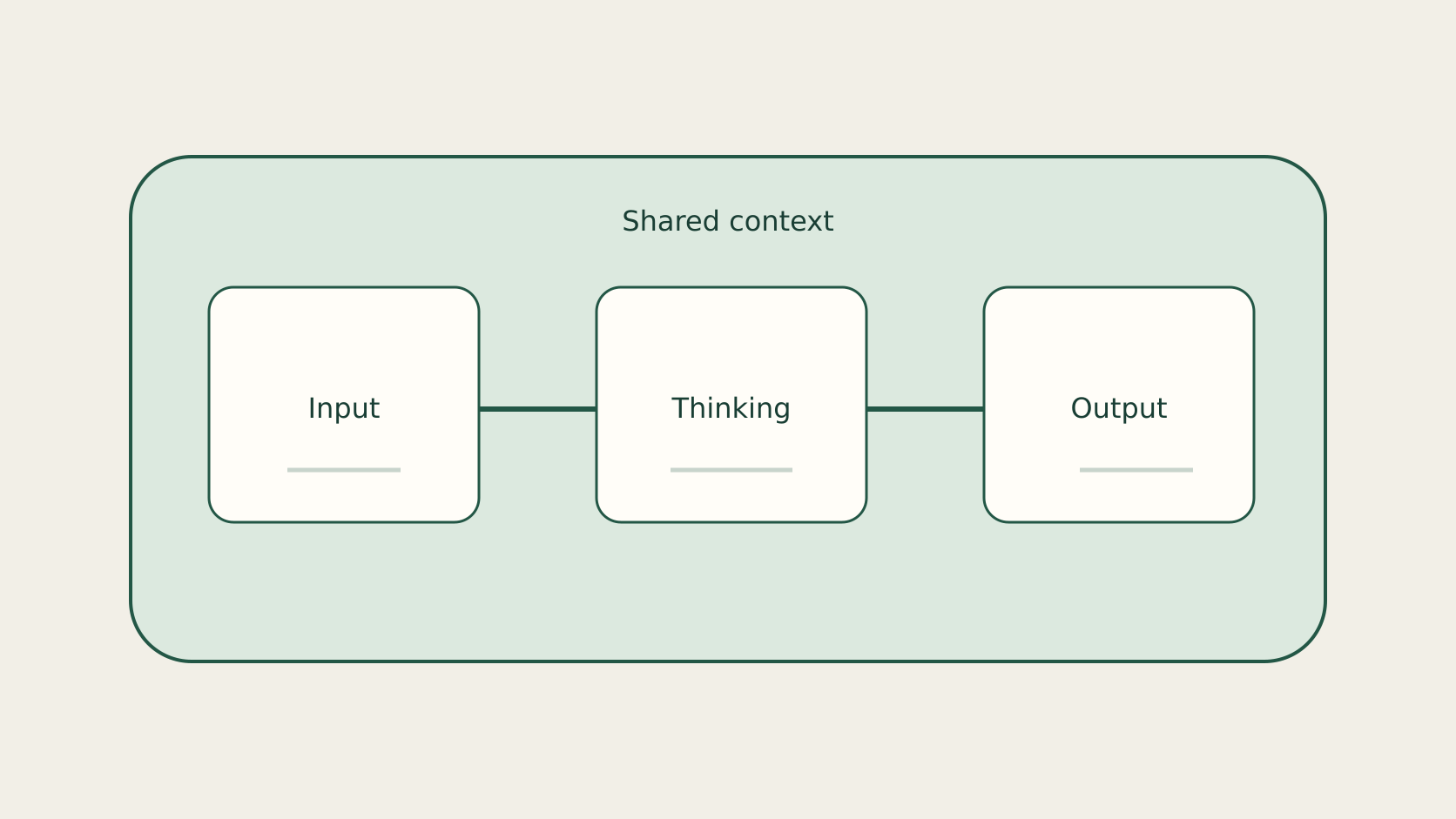
Argon is now available through the paid Gemini API and eligible Google AI plans. Standard introductory rates expire on 30 November; the million-token limit is shared across input, thinking and output. Fairwind remains a separate cyber-access route.
RELATED BUYER PROFILEReview Argon access, price stages and test-pending evidencePricing · access · strengths · limitations →RELATED DECISION GUIDECheck programme admission and route-specific evidenceWorkflow · evidence · risk · governance →CONTINUE THE DECISIONCheck storage and tool permissionsEvidence · workflow · next action →CONTINUE THE DECISIONBudget December rates and complete workflow costEvidence · workflow · next action →CONTINUE THE DECISIONDesign a reproducible model pilotEvidence · workflow · next action →CONTINUE THE DECISIONCompare the paid Argon routeEvidence · workflow · next action →What you need to know
- Public paid rollout announced on 13 October
- Standard API rates double from 1 December
- One million tokens is shared context; synchronous output defaults to 65,536
What changed on 13 October
Google announced global paid Gemini API availability, with AI Pro and Ultra access in the Gemini app and AI Mode. Antigravity requires AI Ultra. This updates our 2 October restricted-access briefing at the same URL. Fairwind's approved cyber route remains separate; the public rollout does not grant its permissions. Verify the exact UK account and surface before changing a plan.
App access and developer access are separate
Google's two 13 October announcements describe different routes: AI Pro and Ultra subscribers can use Argon in the Gemini app, while developers use the paid Gemini API. The developer announcement identifies AI Ultra for AI Studio and Antigravity. HubAI decision check: record the actual surface and account entitlement before upgrading; access in one surface does not prove an API allowance or access in another. These route-specific sources were added on 14 October.
Budget beyond the introductory rate
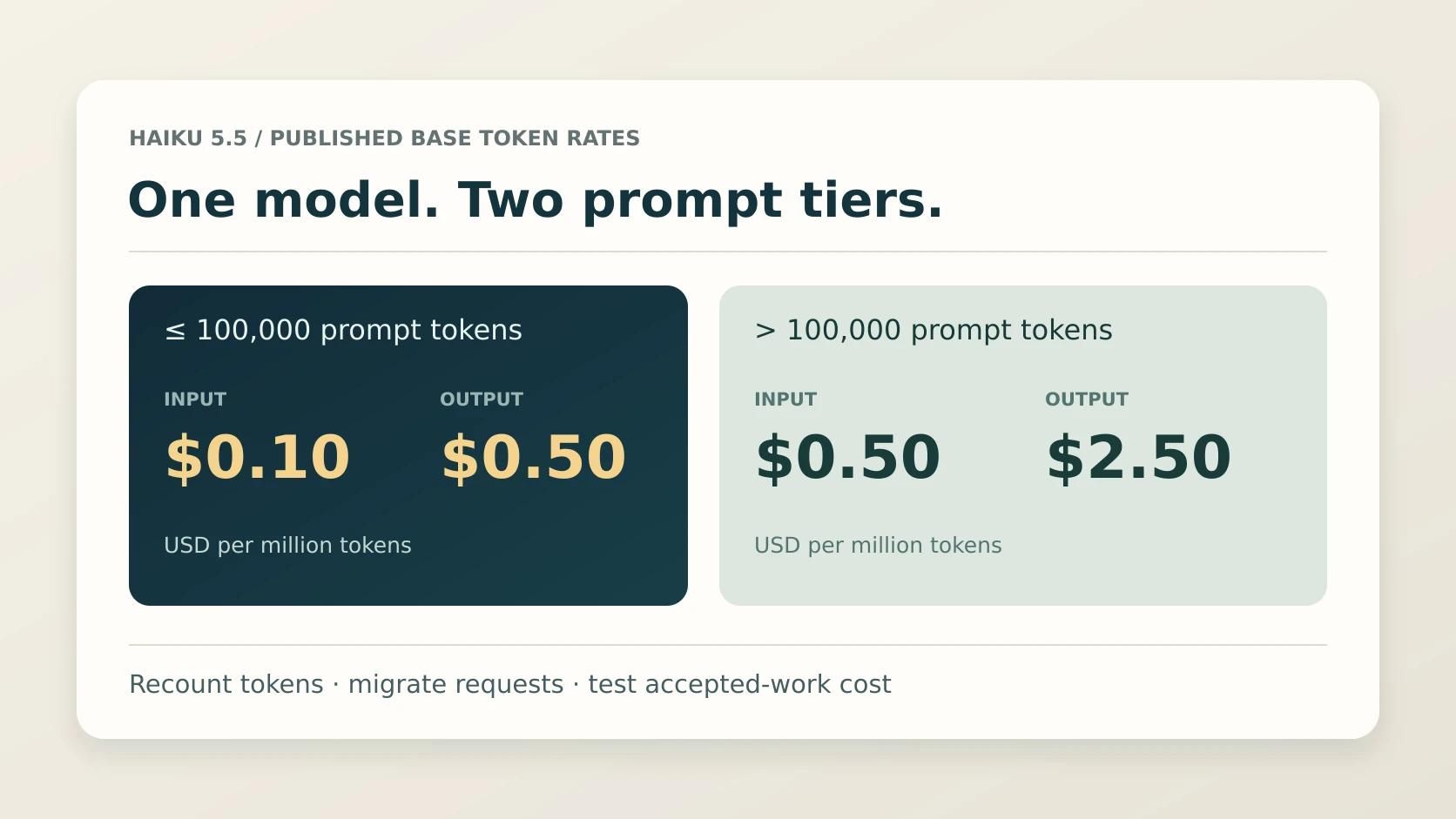
Standard API pricing is USD $2 input and $10 output per million tokens through 30 November 2026, then $4 and $20 from 1 December. Implicit cached input is $0.10, then $0.20; explicit caching is unsupported. Thinking is included in output billing. Tools, retries and review can add cost. The API has no free tier; an app subscription is a separate access route, not a free API allowance.
The million-token limit needs careful reading
The current model table identifies gemini-4-argon and a unified 1,048,576-token context shared across input, thinking and output. Default synchronous output is capped at 65,536. This corrects the earlier output-only description. Long decode uses a continuation path; a large input reduces the space available for the response. A long answer is not evidence of a better one.
Long decode changes storage and recovery
Google's long-decode guide requires background execution and a larger output budget for the Interactions route. That route requires store: true. Client-side continuation through GenerateContent has a different storage and recovery boundary. Each hop can count prior material again as input. HubAI analysis: budget from recorded usage, test interrupted runs and cancellation, and confirm retention before sending a sensitive long-running task.
HubAI buyer verdict
Argon is now a paid pilot candidate rather than only a restricted watchlist item. Run a difficult but bounded coding or research task against your current model with the same tools and review criteria. Use December rates for the ongoing business case; treat introductory pricing as temporary. Count accepted results, unsupported claims, retries, elapsed time, review and total bill. Google's benchmark and productivity claims are supplier evidence, not our measurements.
Evidence and editorial disclosure
Independent editorial coverage; not sponsored. Original publication remains 2 October. The 13 October release update corrected access and token interpretation; the 14 October follow-up adds Google's separate app and developer announcements to clarify subscription boundaries. No UK-wide entitlement, safety certification, independent score or search-volume claim is made. The original cover illustrates a shared token budget, not measured performance or fixed allocations.
HUBAI VIEWUse the current account first, price the December workload and check storage and recovery before enabling a long-running task.
Buyer decision signal: Updated · 13 October public paid rollout
What to verify next
1Confirm API versus app versus Antigravity entitlement
2Pin gemini-4-argon and the execution route
3Price ongoing work at December rates
4Check unified context and output budget
5Review background storage, recovery and cancellation
6Measure accepted-work cost with the same task and reviewer
Read the evidence
Capabilities, availability and prices can change. HubAI keeps analysis separate from the underlying official material.
01Google: Argon public rollout — 13 October 2026Open source ↗02Google: Argon in the Gemini app — 13 October 2026Open source ↗03Google: Argon for developers — 13 October 2026Open source ↗04Google: gemini-4-argon model specificationsOpen source ↗05Google: current Gemini API pricingOpen source ↗06Google: long decode limits, storage and token accountingOpen source ↗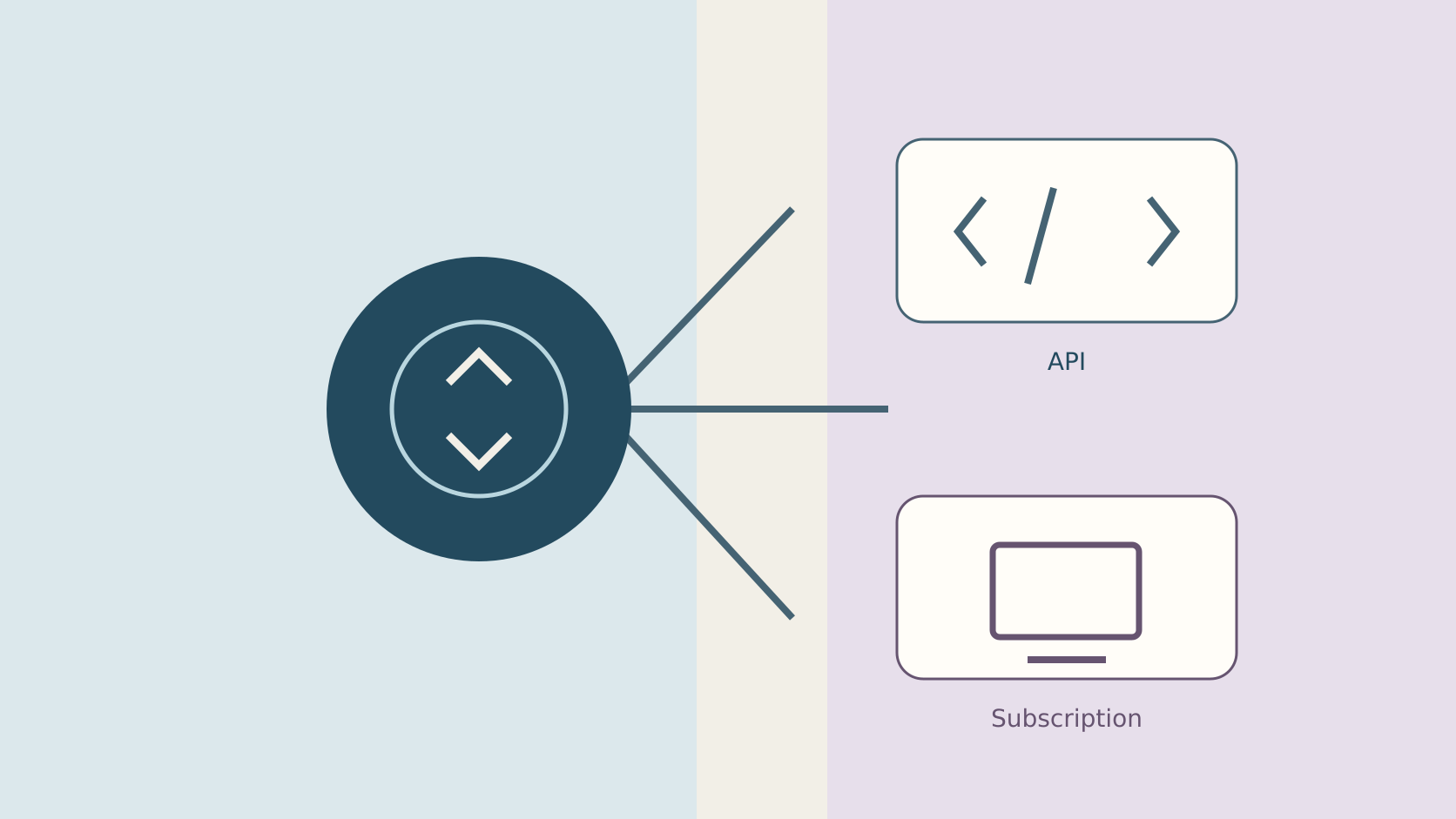 Models
 Models
 Models
 Models