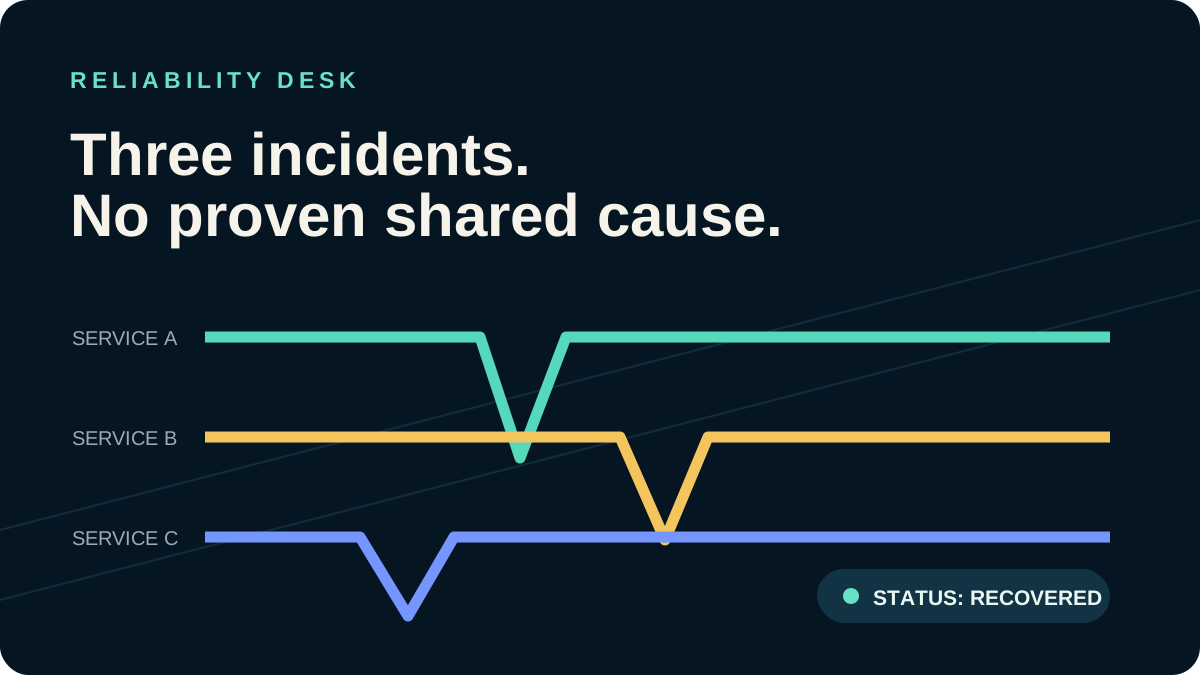
Each provider recorded a service disruption on 3 September. Their public status records confirm recovery, but do not establish a shared technical cause.
What you need to know
- OpenAI, Anthropic and xAI each published incident information
- All three services subsequently reported recovery
- Coincidence is not evidence of a common infrastructure failure
What the providers confirmed
OpenAI recorded elevated errors across ChatGPT and Codex, Anthropic reported elevated errors affecting several Claude models, and xAI recorded a Grok web-service outage. Each provider later marked its incident resolved or returned to baseline operation.
What the evidence does not prove
Public status records do not establish a shared dependency, coordinated event or single root cause. Reporting should keep the incidents separate unless a provider publishes evidence connecting them.
Reliability is now a buying requirement
Teams using AI in critical work should monitor provider status, save intermediate outputs, implement bounded retries and maintain a tested manual or second-provider fallback. A benchmark lead is not enough if a workflow cannot degrade safely during an outage.
HUBAI VIEWAI reliability belongs in procurement: critical workflows need status monitoring, retries, checkpoints and a tested fallback.
Buyer decision signal: Resolved incidents · reliability
What to verify next
1Subscribe to provider status notifications
2Save checkpoints outside the model session
3Set retry and timeout limits
4Document the manual fallback
5Test a second provider before an incident
Read the evidence
Capabilities, availability and prices can change. HubAI keeps analysis separate from the underlying official material.
01OpenAI incident recordOpen source ↗02Anthropic status historyOpen source ↗03xAI Grok incident recordOpen source ↗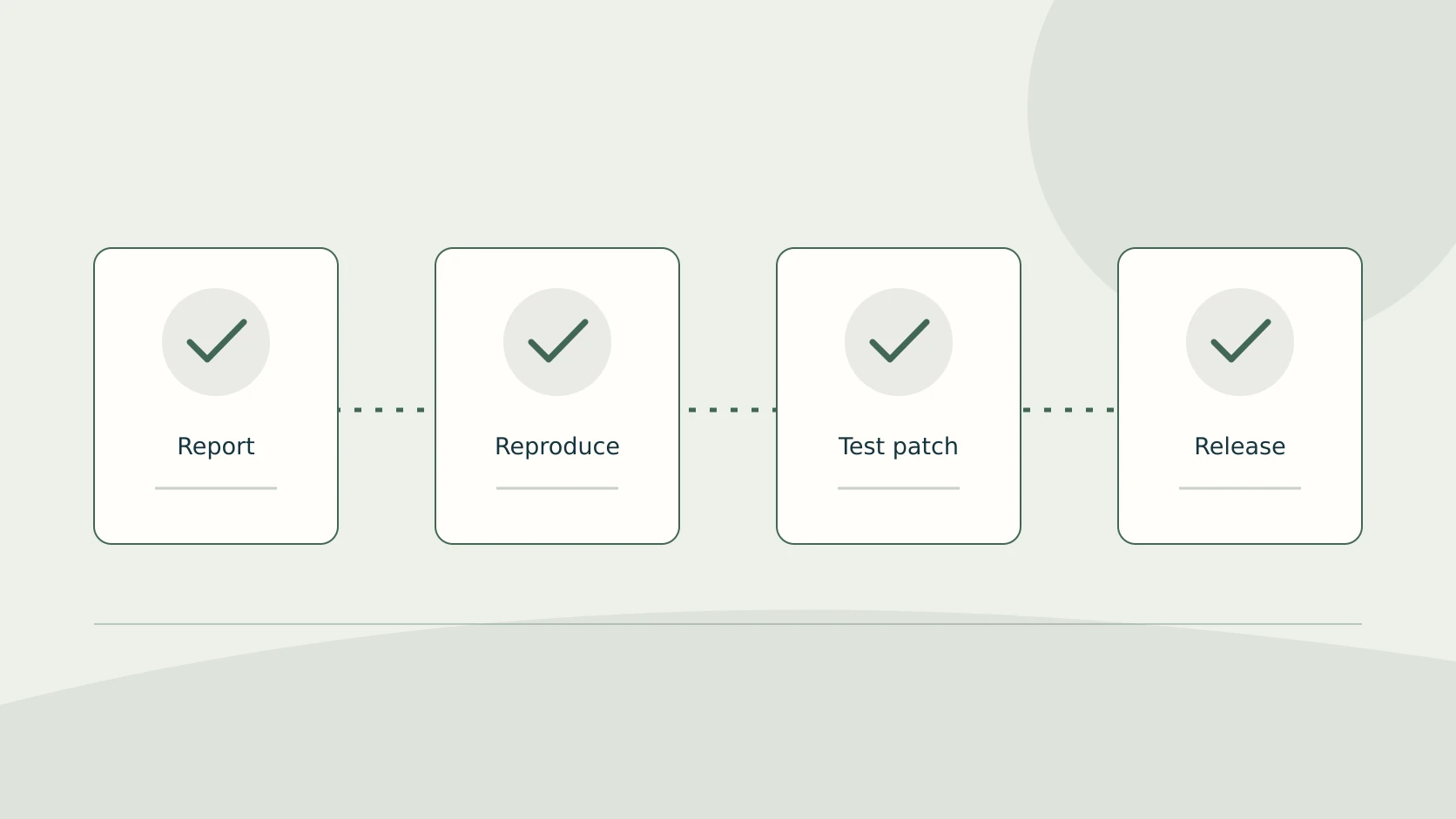 Safety
 Safety
 Safety
 Safety