
Microsoft has released streaming transcription at an introductory $0.54 per audio hour, plus two multilingual voice models at $22 and $15 per million characters. The rates cover only part of a live agent—and the Azure models are still previews without an SLA.
RELATED BUYER PROFILEReview MAI Speech pricing, access, limits and test-pending evidencePricing · access · strengths · limitations →RELATED DECISION GUIDERun a complete same-call speech-model pilotWorkflow · evidence · risk · governance →CONTINUE THE DECISIONCalculate complete cost per accepted or resolved callEvidence · workflow · next action →CONTINUE THE DECISIONSet voice consent, data and action boundariesEvidence · workflow · next action →CONTINUE THE DECISIONBuild a controlled customer-support voice stackEvidence · workflow · next action →CONTINUE THE DECISIONAdd MAI Speech to an existing shortlistEvidence · workflow · next action →What you need to know
- MAI-Transcribe-2-Streaming is $0.54 per audio hour only through the end of 2026; Microsoft does not publish the later price in the launch
- MAI-Voice-2.1 costs $22 per million characters and Flash costs $15; both support 23 languages and gated voice cloning
- Microsoft documents all three Azure models as public previews without an SLA and not recommended for production workloads
Published component prices and status
Short answer: three models, three buying jobs
Microsoft announced MAI-Transcribe-2-Streaming, MAI-Voice-2.1 and MAI-Voice-2.1-Flash on 1 October. The transcription model returns changing partial text before committing a final segment. Voice 2.1 is the quality-led, long-form route; Flash is the lower-priced, latency-led route for agents and call flows. Buy them as components rather than assuming the family is one finished voice-agent product.
The price card is useful but incomplete
Streaming transcription is advertised at $0.54 per audio hour through the end of 2026. The launch does not state the next rate, so a 2027 business case needs a supplier quote or sensitivity range. Voice 2.1 costs $22 per million characters and Flash costs $15. These units are not directly comparable. A live-agent bill can also include reasoning tokens, tool calls, telephony, network transport, retries, recording, storage, observability, escalation and reviewer time. Calculate the cost of an accepted or resolved call, not a single model component.
Availability is broad, but production readiness is not
Microsoft names Foundry, the MAI Playground and Vercel for all three models, OpenRouter for the two voice models, and Azure Voice Live; LiveKit is listed as coming soon. Microsoft Learn documents the Azure models as public previews without a service-level agreement and says previews are not recommended for production workloads. The voice documentation lists global access, en-GB voices and European serving regions. Buyers should still verify the exact account, resource, route, region, contract and data path rather than treating a language or region list as a UK deployment guarantee.
Treat latency and accuracy as provider claims
Microsoft says streaming partials begin just over 100 milliseconds after audio arrives, and reports internal and Artificial Analysis results. It also says Flash can generate 45 seconds of audio with 150 milliseconds end-to-end latency and has faster inference than comparable models. Those figures help define a test; they are not HubAI measurements and may not survive network delay, the reasoning model, tools, telephony or a real interruption. Measure first useful transcript, partial rewrites, turn-taking, completed-task latency and recovery on the route you will buy.
Voice cloning needs an operational consent test
The voice models accept a short reference clip for gated instant cloning. Microsoft describes built-in consent guardrails, while its documentation calls the feature gated and refers to consented voices. That is not an independent assurance or permission to clone a person. Keep a signed permission record, protect reference audio, restrict who can create or publish a voice, label synthetic output where appropriate and maintain a rapid revocation and takedown route. Test whether controls work for administrators, contractors and terminated accounts.
Run one complete call before selecting a model
Use a frozen set of calls with accents, names, numbers, interruptions, silence and a permission-denied tool path. Compare the standard and Flash voice routes with the same transcription, reasoning model, prompts, tools and telephony. Record partial and final transcript errors, pronunciation corrections, interruptions, tool failures, escalation, retries, reviewer minutes and complete billed cost. Keep consequential actions behind approval until the failure and recovery path is repeatable.
HubAI buyer verdict
MAI Speech 2.1 belongs on a shortlist for teams that want one Microsoft-aligned stack for live transcription and multilingual speech. Start with Flash for latency-sensitive calls and Voice 2.1 for long-form quality, but make the final choice on accepted-call performance and complete cost. Do not put a production commitment behind the preview or the temporary transcription rate. The family remains Test pending with no HubAI Score.
Sources and editorial disclosure
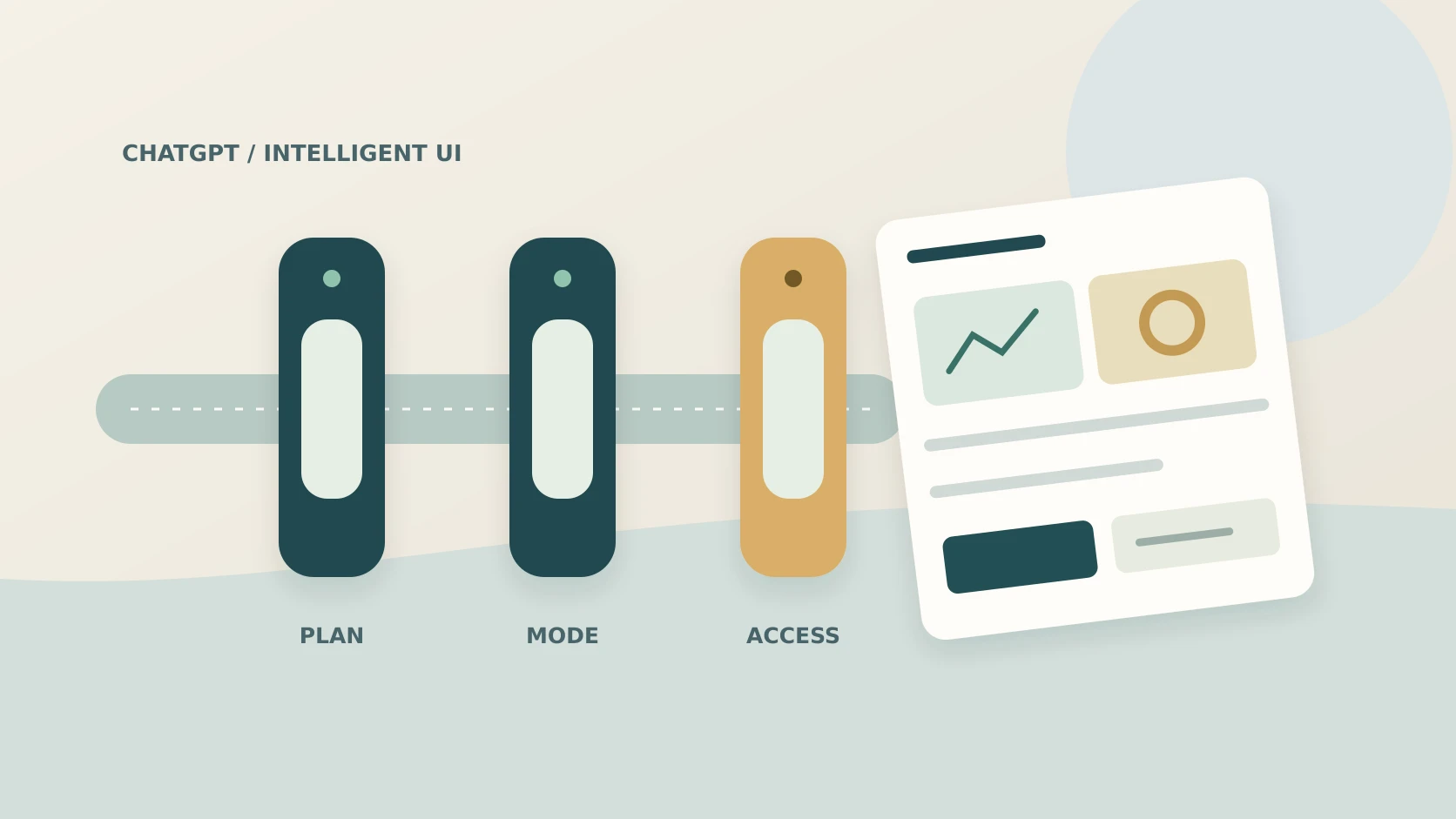
Independent editorial coverage; not sponsored. Prices, language counts, access routes, preview status, latency and consent-control descriptions come from Microsoft. Provider performance claims are labelled rather than presented as independent results. No directly related query was visible in the accessible UK Google Trends review, so this briefing makes no search-volume or breakout claim. The original cover is a conceptual editorial illustration of a speech pipeline, not a product interface, benchmark or Microsoft mark.
HUBAI VIEWChoose the transcription and voice route separately, then test the complete call: partial-text stability, interruption handling, consent, reasoning, telephony, escalation and total accepted-call cost.
Buyer decision signal: Three-model speech release · public preview and published component prices
What to verify next
1Confirm the exact preview route, account, resource, region, contract and model names
2Ask for the post-2026 transcription price before forecasting a full year
3Freeze audio, scripts, reasoning, tools, telephony and acceptance criteria
4Measure partial rewrites, final errors, interruptions, pronunciation and escalation
5Document speaker consent, reference-audio access, disclosure and takedown
6Add reasoning, tools, telephony, retries, storage, review and failures to total cost
7Keep consequential actions behind human approval until recovery is proven
Read the evidence
Capabilities, availability and prices can change. HubAI keeps analysis separate from the underlying official material.
01Microsoft AI: MAI speech-model launch — 1 October 2026Open source ↗02Microsoft Learn: MAI-Transcribe-2-Streaming public preview — updated 1 October 2026Open source ↗03Microsoft Learn: MAI-Voice-2.1 and Flash, regions and en-GB voicesOpen source ↗ Products
 Products
 Products
 Products