
Anthropic has released Claude Sonnet 5.5 with a one-million-token context window, 128K maximum output and the same published $2/$10 token rates as Sonnet 5. GitHub is also rolling it into paid Copilot plans.
RELATED BUYER PROFILEReview Claude Sonnet 5.5 pricing, migration limits and test-pending evidencePricing · access · strengths · limitations →RELATED DECISION GUIDERun a same-work Sonnet migration pilotWorkflow · evidence · risk · governance →CONTINUE THE DECISIONAdd Claude Sonnet 5.5 to a current shortlistEvidence · workflow · next action →CONTINUE THE DECISIONReview the higher-rate Claude Opus 5.5 routeEvidence · workflow · next action →CONTINUE THE DECISIONMeasure complete cost per accepted taskEvidence · workflow · next action →CONTINUE THE DECISIONOpen the developer AI decision deskEvidence · workflow · next action →What you need to know
- The public API model ID is claude-sonnet-5-5, with a one-million-token context window, 128,000-token maximum output and standard pricing of $2 input and $10 output per million tokens
- Adaptive thinking defaults to high effort; disabled thinking, forced tools, thinking-block replay and older computer-use assumptions can require implementation changes
- GitHub is gradually enabling the model across paid Copilot plans and multiple clients; Business and Enterprise administrators can control access through model policy
The verified launch boundary
Short answer: a strong default candidate, not a drop-in upgrade
Anthropic released Claude Sonnet 5.5 on 28 September 2026 for coding, agents and professional knowledge work. The public model identifier, price, context and output limits are verified. The model belongs on a practical shortlist where Sonnet 5 already fits, but changed orchestration behaviour means production traffic should move only after the exact workflow passes acceptance tests.
The headline token price stays at $2 input and $10 output
Standard Claude API pricing is $2 per million input tokens and $10 per million output tokens. Five-minute cache writes cost $2.50, one-hour writes $4 and cache reads $0.20 per million tokens. Anthropic says Sonnet 5.5 can be more than 30% faster and cost up to 30% less per task because it may use fewer tokens. Those are provider claims, not independent HubAI measurements; tools, retries, cache writes, infrastructure and review can reverse the task-cost result.
One million tokens is a ceiling, not a retrieval strategy
The published one-million-token context window and 128,000-token maximum output support large repositories and document sets. Sending everything can still raise latency, exposure and distraction. Compare retrieval, structured compaction and selective context against whole-corpus prompts, then record accepted output, failures, cache behaviour and reviewer time.
Five migration checks matter before production
First, disabled thinking is no longer accepted; use the documented between-tools pattern when upfront thinking is not wanted. Second, forced tool use returns an error, so move to automatic selection and strict schemas where supported. Third, preserve model-specific thinking blocks in append-only conversations. Fourth, update older computer-use tool versions on Claude API and Google Cloud. Fifth, check advisor-model support and whether text between tool calls appears in thinking blocks, otherwise a workflow can look silent or lose expected logs.
GitHub Copilot access is broad but policy-controlled
GitHub says Claude Sonnet 5.5 is gradually becoming available to Copilot Pro, Pro+, Max, Business and Enterprise users across editors, CLI, coding agent, GitHub.com and mobile surfaces. Organisation administrators can manage model access, and GitHub says usage is billed at provider list pricing under usage-based billing. Buyers should verify the enabled plan, client, administrator policy and metering rather than assuming every seat has immediate access.
Sonnet or Opus: route by accepted work, not model tier
Start Sonnet 5.5 as the lower-rate baseline for coding and knowledge tasks. Escalate only the small set of difficult, long-horizon work that fails acceptance criteria to Claude Opus 5.5, then compare whether the higher $4/$20 rate reduces correction, retries or supervision enough to lower complete cost. A model label is not evidence that one route is universally better.
Availability and data controls remain route-specific
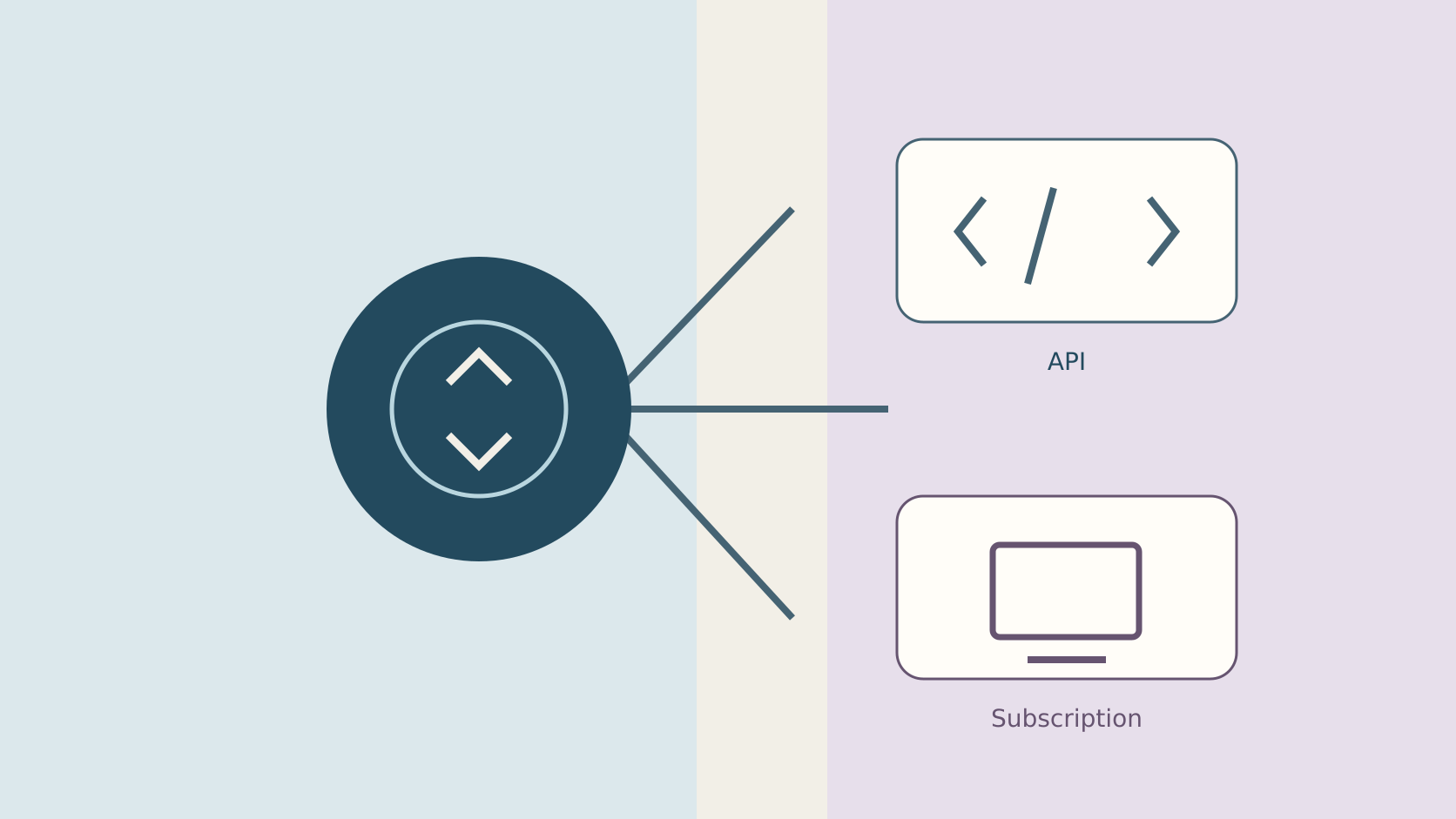
Anthropic lists Claude API, Amazon Bedrock, Google Cloud, Microsoft Foundry and Claude product access, and documents zero-data-retention availability for organisations with qualifying agreements. These statements do not make every account, region, contract, retention setting or administrator control identical. UK buyers should verify the exact purchased route before using company data.
HubAI buyer verdict
Claude Sonnet 5.5 is a credible default candidate for teams that need a large-context coding and knowledge-work model without Opus pricing. Keep the current production model available until frozen tasks pass quality, tool, logging, latency, safeguard and complete-cost checks. HubAI assigns no numerical score before that independent same-work evaluation.
Evidence limits and editorial disclosure
Independent editorial coverage; not sponsored. Pricing, specifications, availability, speed, workload-cost and safety statements are attributed to Anthropic and GitHub, checked on 29 September 2026. HubAI has not independently tested Claude Sonnet 5.5. No visible UK Google Trends volume is claimed. The original cover is a conceptual routing illustration, not a product interface, logo, benchmark or certification graphic.
HUBAI VIEWTreat the release as a migration, not a silent model swap. Re-test thinking, tool choice, thinking-block handling, computer use and billed task cost on frozen work before changing production traffic.
Buyer decision signal: New model · same token rates and changed agent behaviour
What to verify next
1Pin claude-sonnet-5-5 in a test environment and preserve the current production model
2Replace disabled-thinking and forced-tool assumptions with supported patterns
3Preserve model-specific thinking blocks and test append-only conversation handling
4Update computer-use and advisor-tool configurations where required
5Verify Copilot plan, client, administrator policy and usage billing
6Measure accepted tasks, tool failures, latency, safeguards, cache use, review and complete cost
7Verify the contracted route, region, retention, logs, permissions and rollback
Read the evidence
Capabilities, availability and prices can change. HubAI keeps analysis separate from the underlying official material.
01Anthropic: Claude Sonnet 5.5 — 28 September 2026Open source ↗02Anthropic developer documentation: Claude Sonnet 5.5 overviewOpen source ↗03Anthropic developer documentation: Sonnet 5.5 migration guideOpen source ↗04Anthropic model pricingOpen source ↗05GitHub: Claude Sonnet 5.5 in Copilot — 28 September 2026Open source ↗ Models
 Models
 Models
 Models