
Anime and character tools are expanding into YouTube channels, game concepts, print-on-demand, social avatars and visual storyboarding.
What you need to know
- Start with a measurable job
- Compare workflow cost, not feature count
- Keep human review at the decision point
What is changing
Anime and character tools are expanding into YouTube channels, game concepts, print-on-demand, social avatars and visual storyboarding. The category is maturing quickly: products that once competed on generation quality now compete on integrations, team controls, repeatability and the time needed to reach an approved result.
What buyers should measure
Choose three representative tasks and define success before opening a trial. Record time to first usable output, correction time, failure rate, export quality and cost. A polished demo is evidence of possibility; a repeatable test is evidence of fit.
The HubAI view
Rights, consistency and brand safety matter as much as style quality. Buyers should shortlist two products, run the same work through both and keep the cheaper tool only when quality and governance remain acceptable.
HUBAI VIEWRights, consistency and brand safety matter as much as style quality.
Buyer decision signal: Creator economy
What to verify next
1Real workflow coverage
2Free-trial limitations
3Export and integration quality
4Privacy and retention terms
5Cost per usable result
Read the evidence
Capabilities, availability and prices can change. HubAI keeps analysis separate from the underlying official material.
01UK ICO guidance on AIOpen source ↗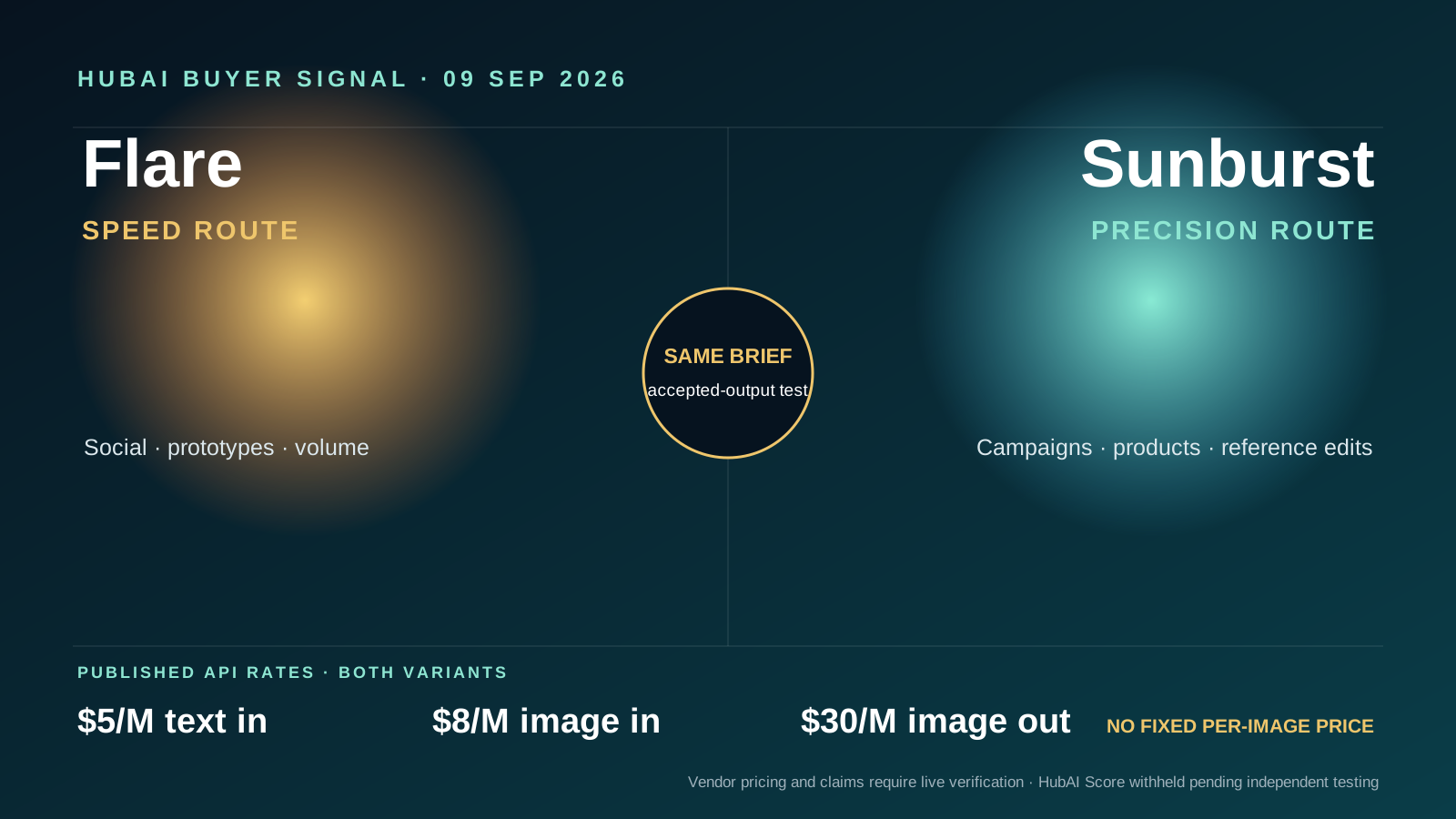 Image AI
 Media AI
 Creator AI
 Video AI