
OpenAI is beginning to roll out Dots: persistent GPT-6 Astra agents with their own cloud computer, browser and user-selected app connections. The product can continue recurring work, but entitlement, usage limits, UK availability and complete operating cost still need account-level verification.
RELATED BUYER PROFILEReview Dots access, cost gaps, controls and test-pending evidencePricing · access · strengths · limitations →RELATED DECISION GUIDEDesign one bounded two-week persistent-agent pilotWorkflow · evidence · risk · governance →CONTINUE THE DECISIONSet identity, data, action and approval boundariesEvidence · workflow · next action →CONTINUE THE DECISIONRequest entitlement, retention and control evidenceEvidence · workflow · next action →CONTINUE THE DECISIONMeasure seat, usage, connectors and review togetherEvidence · workflow · next action →CONTINUE THE DECISIONOpen the small-business AI decision deskEvidence · workflow · next action →What you need to know
- Each dot uses GPT-6 Astra with its own cloud computer and browser, and can connect only to apps the user chooses
- OpenAI says rollout is beginning across Pro, Business Premium and Enterprise in eligible markets, with web, mobile, desktop, ChatGPT, Slack and Teams access described across official pages
- OpenAI publishes confirmation, handoff, sandbox and auto-review controls, but also says dots can make mistakes; HubAI has not independently tested them
The verified buying boundary
Short answer: a persistent product, not an unlimited digital employee
OpenAI announced Dots on 29 September 2026. A dot is an always-on agent powered by GPT-6 Astra, with its own cloud computer and browser. It can research, use connected apps, follow recurring instructions and report through ChatGPT or collaboration surfaces. OpenAI says the initial rollout covers Pro, Business Premium and Enterprise accounts in eligible markets. That establishes a real product launch, but it does not establish entitlement for every UK account, unlimited use or a fixed complete cost.
Each dot gets a separate workspace and chosen connections
OpenAI describes a separate cloud computer for each dot and says users choose which apps it can connect to. The launch names more than 4,000 possible app connections through plugins, while access through Slack and Teams is also described. The number is a provider claim about the connection ecosystem—not a tested compatibility matrix, one privacy boundary or proof that every integration is available in the UK. Buyers need to verify the exact account, connector, scopes, downstream terms and action permissions.
Plan access is named; a complete price is not
Official launch material names Pro, Business Premium and Enterprise for the first rollout, but HubAI did not find a separate public Dots rate card, universal task allowance or one published complete-cost formula in the sources checked. A seat entitlement can still sit beside model usage, connected-service licences, tool charges, long-running compute, retries and human review. Treat in-account limits and invoices as primary evidence before budgeting a team rollout.
UK availability still needs an account check
OpenAI says Dots are rolling out in eligible markets and its feature page describes web, mobile and desktop access. The sources checked do not provide a Dots-specific UK entitlement matrix. General ChatGPT country support is not the same as product availability. A UK buyer should confirm that Dots are visible on the intended plan, workspace, administrator policy and user account before promising a launch date or publishing an internal access guide.
The control stack reduces risk; it does not remove it
OpenAI describes sandboxing, secure sign-in, action rules, confirmation or handoff for sensitive work and a separate auto-review step before consequential actions. It also explicitly says dots can make mistakes. Personal-plan training follows the user's model-improvement setting, while Business, Enterprise and Edu content is not used for training by default. Those commitments are useful procurement inputs, not independent proof that a dot cannot leak data, follow injected instructions or take an unwanted permitted action.
Start with read-only proactive work
OpenAI says proactive research is read-only and later actions pass through the usual checks. That makes a recurring brief, monitored inbox summary or research watch a safer first pilot than sending messages, changing records, publishing content or purchasing. Use a test identity, least-privilege connections and non-sensitive data. Require the output to show its evidence, route every proposed action to a reviewer and prove that the dot can be paused, disconnected and recovered.
Run a two-week longitudinal buyer test
Freeze one recurring job, its source set, schedule, acceptance criteria and manual baseline. For two weeks, record tasks attempted, accepted results, unsupported claims, missed updates, connector failures, prompts requiring correction, confirmation events, auto-review interventions, reviewer minutes, usage and downstream costs. Add one deliberate prompt-injection and one revoked-permission test. Expand only when the accepted result is repeatable and the failure path is observable, interruptible and reversible.
HubAI buyer verdict
Dots are a credible shortlist candidate for teams that already use ChatGPT and want a persistent research or coordination layer. The useful innovation is continuity, not autonomy by itself. Begin with one reversible read-only routine and do not assume plan entitlement, UK access, unlimited usage or safe action-taking. The OpenAI Dots profile remains Test pending and receives no HubAI Score until an independent longitudinal same-work test measures reliability, controls and complete cost.
Evidence limits and editorial disclosure
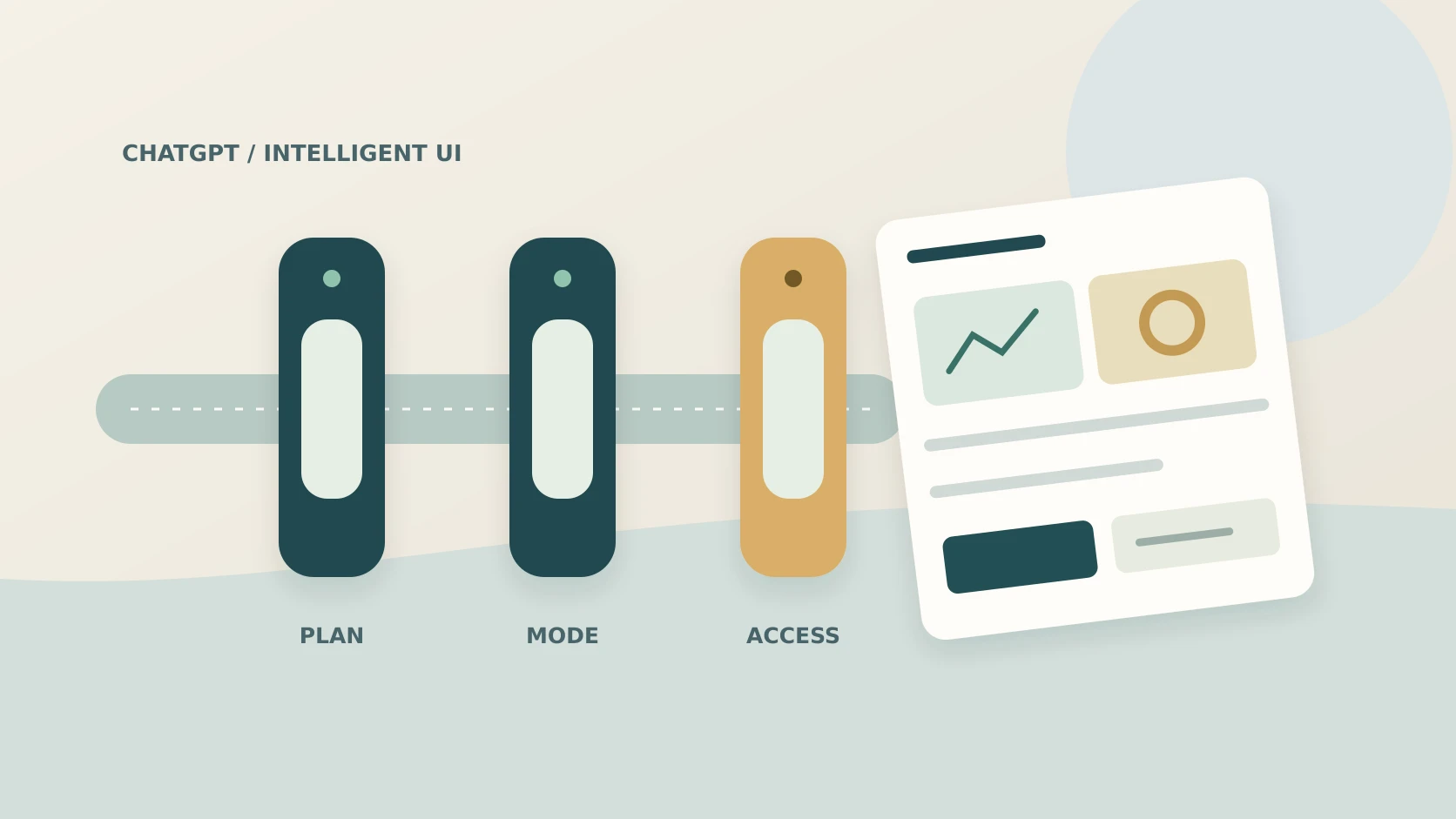
Independent editorial coverage; not sponsored. Product design, model, connection count, rollout, training and safeguard statements are attributed to OpenAI and checked on 30 September 2026. HubAI has not independently used Dots and found no separate public rate card or Dots-specific UK entitlement matrix in the official sources checked. The visible UK Google Trends first page contained no directly related Dots or OpenAI query, so no volume or breakout claim is made. The original cover is a conceptual always-on workflow with human oversight—not a product interface, provider logo, benchmark or security certificate.
HUBAI VIEWPilot one reversible, read-only routine. Prove permissions, confirmation rules, auto-review, logs, stop and recovery before allowing a dot to send, buy, publish or change a system of record.
Buyer decision signal: Always-on agent rollout · staged plans and separate controls
What to verify next
1Confirm that Dots are visible on the intended UK account, plan, workspace and administrator policy
2Record the seat entitlement, usage limits, connected-service fees and human review cost separately
3Use one test identity and one least-privilege, read-only connector before adding more apps
4Write explicit confirmation, handoff, time-budget, stop and rollback rules
5Test prompt injection, revoked permissions, connector failure and recovery
6Measure accepted results, corrections, missed work, review minutes, usage and complete cost for two weeks
7Keep sending, publishing, purchasing and system-of-record changes behind human approval
Read the evidence
Capabilities, availability and prices can change. HubAI keeps analysis separate from the underlying official material.
01OpenAI: Introducing Dots — 29 September 2026Open source ↗02OpenAI: How safety, security and privacy are built into Dots — 29 September 2026Open source ↗03ChatGPT: Dots product and rollout pageOpen source ↗04OpenAI Help: Getting started with your dotOpen source ↗05OpenAI Academy: DevDay 2026 launch resources and pilot guidanceOpen source ↗06OpenAI: GPT-6 Astra System Card, Dots appendixOpen source ↗ Products
 Products
 Products
 Products